

Go to the page content

    AI portrayal

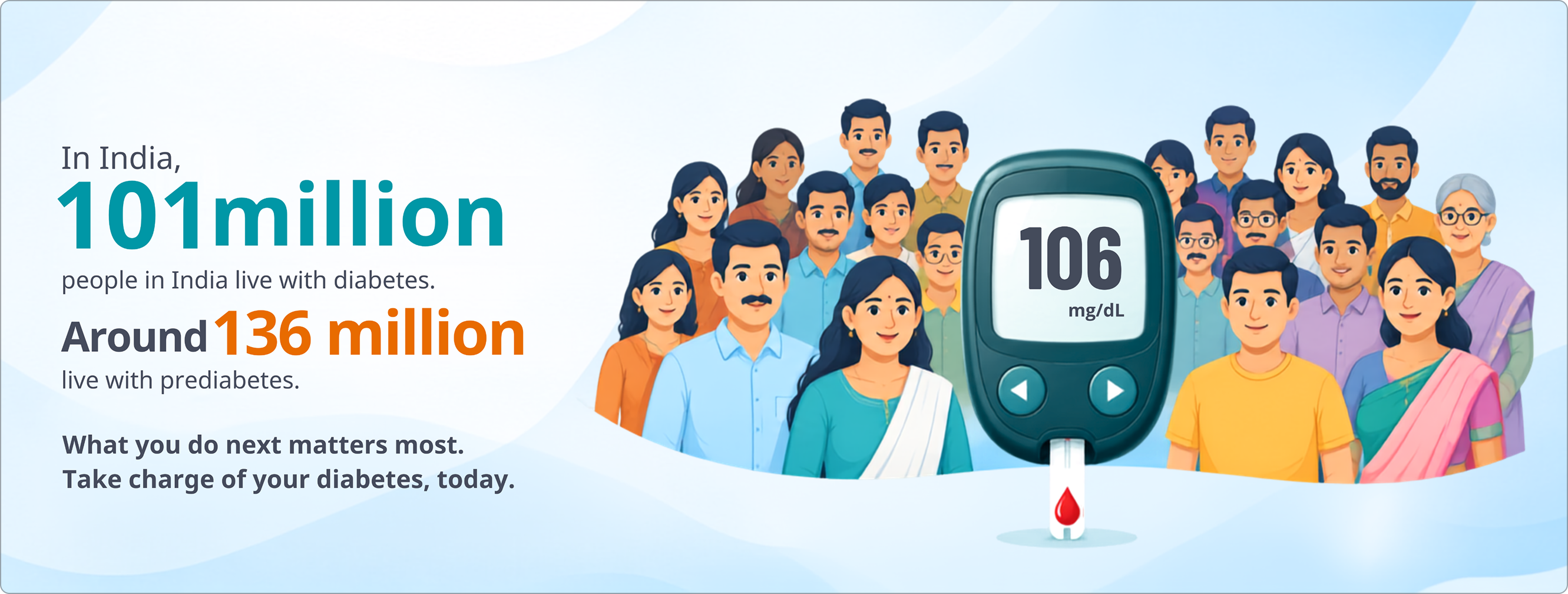
Small steps to support diabetes care

In people living with type 2 diabetes, the body does not use insulin effectively. Insulin is a natural hormone that helps move sugar (glucose) from the blood into the body's cells for energy. It also helps the liver manage blood sugar levels and supports the way the body stores and uses fat.

diebetes care

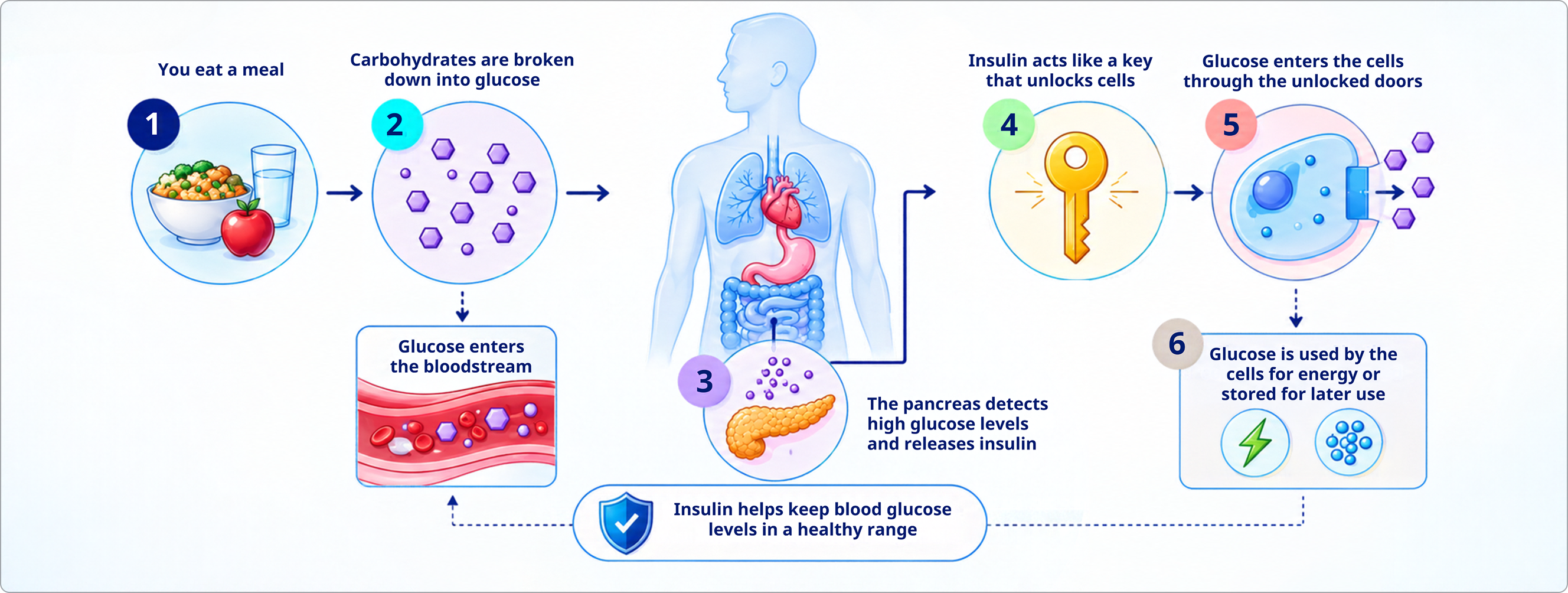
Insulin, simply explained

In people living with type 2 diabetes, the body does not use insulin effectively. Insulin is a natural hormone that helps move sugar (glucose) from the blood into the body's cells for energy. It also helps the liver manage blood sugar levels and supports the way the body stores and uses fat.

diebetes care

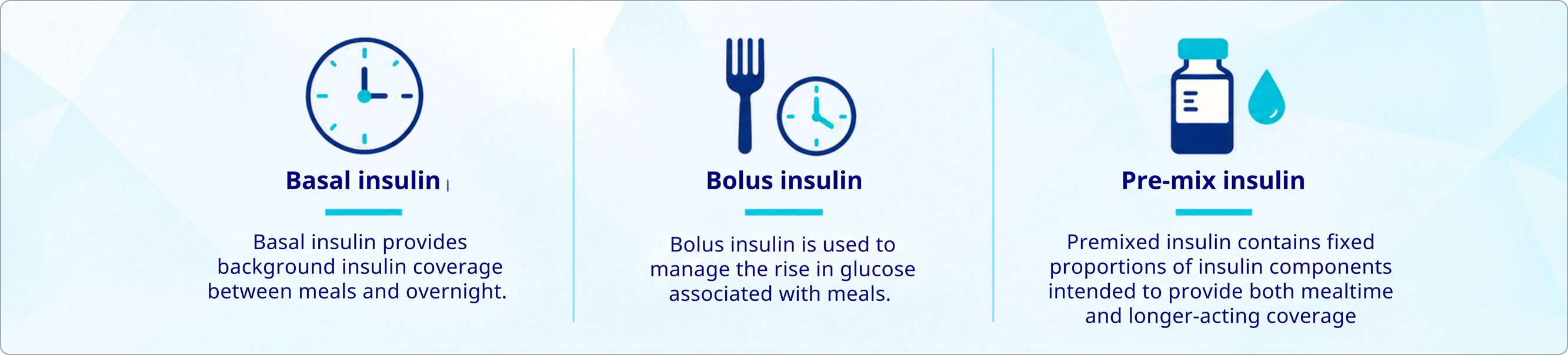
Three common insulin types used

Insulin is a hormone that helps the body use blood sugar for energy. Over time, high blood sugar may increase the risk of diabetes and related 
health risks like type 2 diabetes.

diebetes care

Every health check number tells a story

HbA1c and blood sugar numbers monitoring over 2-3 months provides information on glucose patterns and trends. Discuss your goals with your doctor.

understandin Obeity Next Step

Here are few questions in relation to diabetes that are useful to review your health, ASK:


1. What is my personal HbA1c goal?
2. How often should I check my blood sugar levels?
3. What diet & exercise aspects do I need to focus on?
4. When do I reach out to my doctor for diabetes management?

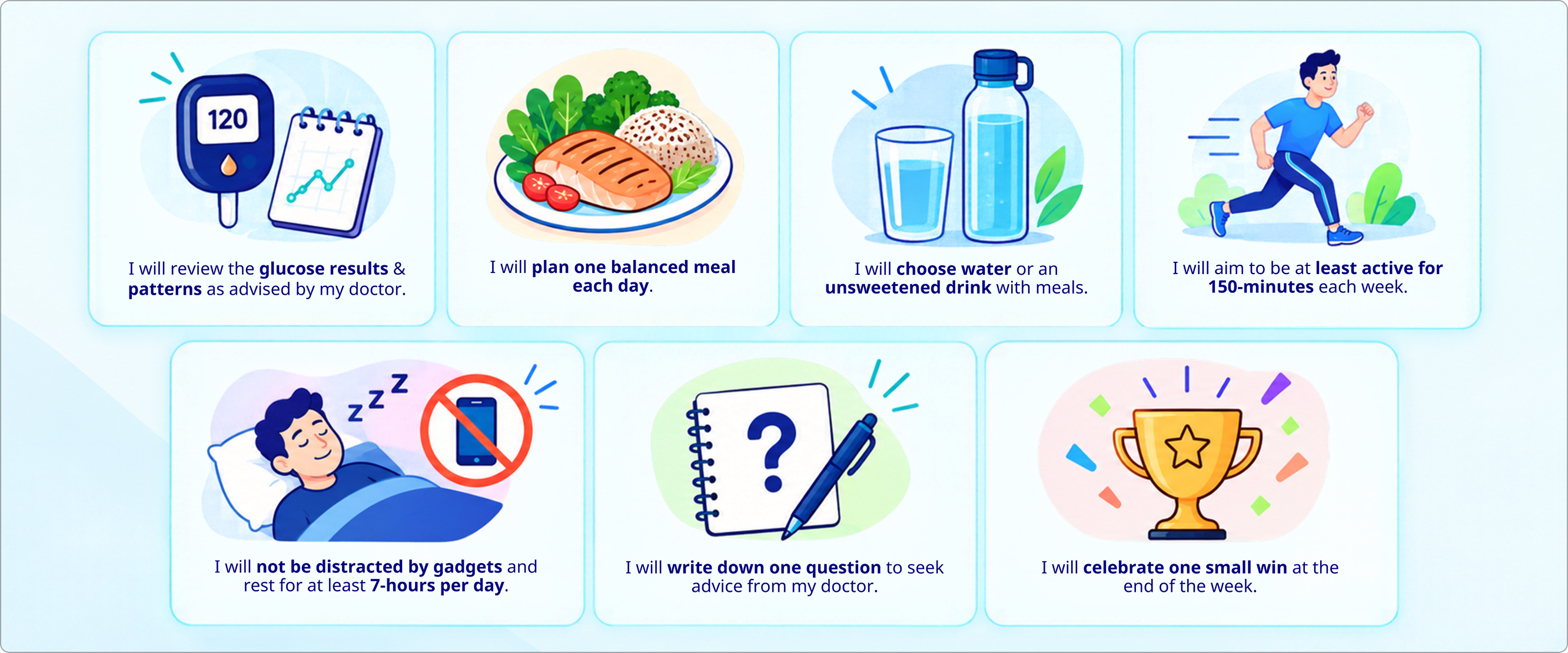

With Diet and exercise get a weekly upgrade

Healthy eating and physical activity are an important part of diabetes self-care too.

understandin Obeity Next Step
  • Follow a individual-based eating plan that considers carbohydrate amount & quality, appropriate protein sources, vegetables, personal preferences and diabetes management goals.
  • Limit sugar-sweetened beverages as part of the this plan too.
  • Aim for at least 150 minutes of moderate- to vigorous-intensity activity each week, adjusted for your health and physical ability.

Track my weekly promise

Pick the action that feels most useful this week, keep it realistic and consistent.

diebetes care

Get the support you need

References:
  1. American Diabetes Association Professional Practice Committee for Diabetes. Facilitating positive health behaviors and well-being to improve health outcomes: Standards of Care in Diabetes-2026. Diabetes Care. 2026;49(Suppl 1):S89-S131.
  2. Anjana RM, Unnikrishnan R, Deepa M, Pradeepa R, Tandon N, Das AK, et al. Metabolic non-communicable disease health report of India: the ICMR-INDIAB national cross-sectional study (ICMR-INDIAB-17). Lancet Diabetes Endocrinol. 2023;11(7):474-489.
  3. Petersen MC, Shulman GI. Mechanisms of insulin action and insulin resistance. Physiol Rev. 2018;98(4):2133-2223.
  4. Röder PV, Wu B, Liu Y, Han W. Pancreatic regulation of glucose homeostasis. Exp Mol Med. 2016;48(3):e219.
  5. American Diabetes Association Professional Practice Committee for Diabetes. Pharmacologic approaches to glycemic treatment: Standards of Care in Diabetes-2026. Diabetes Care. 2026;49(Suppl 1):S183-S215.
  6. American Diabetes Association Professional Practice Committee for Diabetes. Glycemic goals, hypoglycemia, and hyperglycemic crises: Standards of Care in Diabetes-2026. Diabetes Care. 2026;49(Suppl 1):S132-S149.
  7. Evert AB, Dennison M, Gardner CD, Garvey WT, Lau KHK, MacLeod J, et al. Nutrition therapy for adults with diabetes or prediabetes: a consensus report. Diabetes Care. 2019;42(5):731-754.
  8. Downie M, Kilov G, Wong J. Initiation and intensification strategies in type 2 diabetes management: a comparison of basal plus and premix regimens. Diabetes Ther. 2016;7(4):641-657.
  9. Sherwani SI, Khan HA, Ekhzaimy A, Masood A, Sakharkar MK. Significance of HbA1c test in diagnosis and prognosis of diabetic patients. Biomark Insights. 2016;11:95-104.

Disclaimer:

This is for disease awareness only and is not meant to replace medical advise.

IN26DI00086 | 29 Oct 2026