

Your Waist Can Say More Than You Think
Measure your heart health risk
Check your Waist Height Ratio
Why this matters
Link between obesity and heart health

Obesity gradually increases the strain on the heart and blood vessels, raising the risk of high blood pressure, heart disease, and stroke. Recognising this link is important because it shows why caring for your weight also improves your heart health.
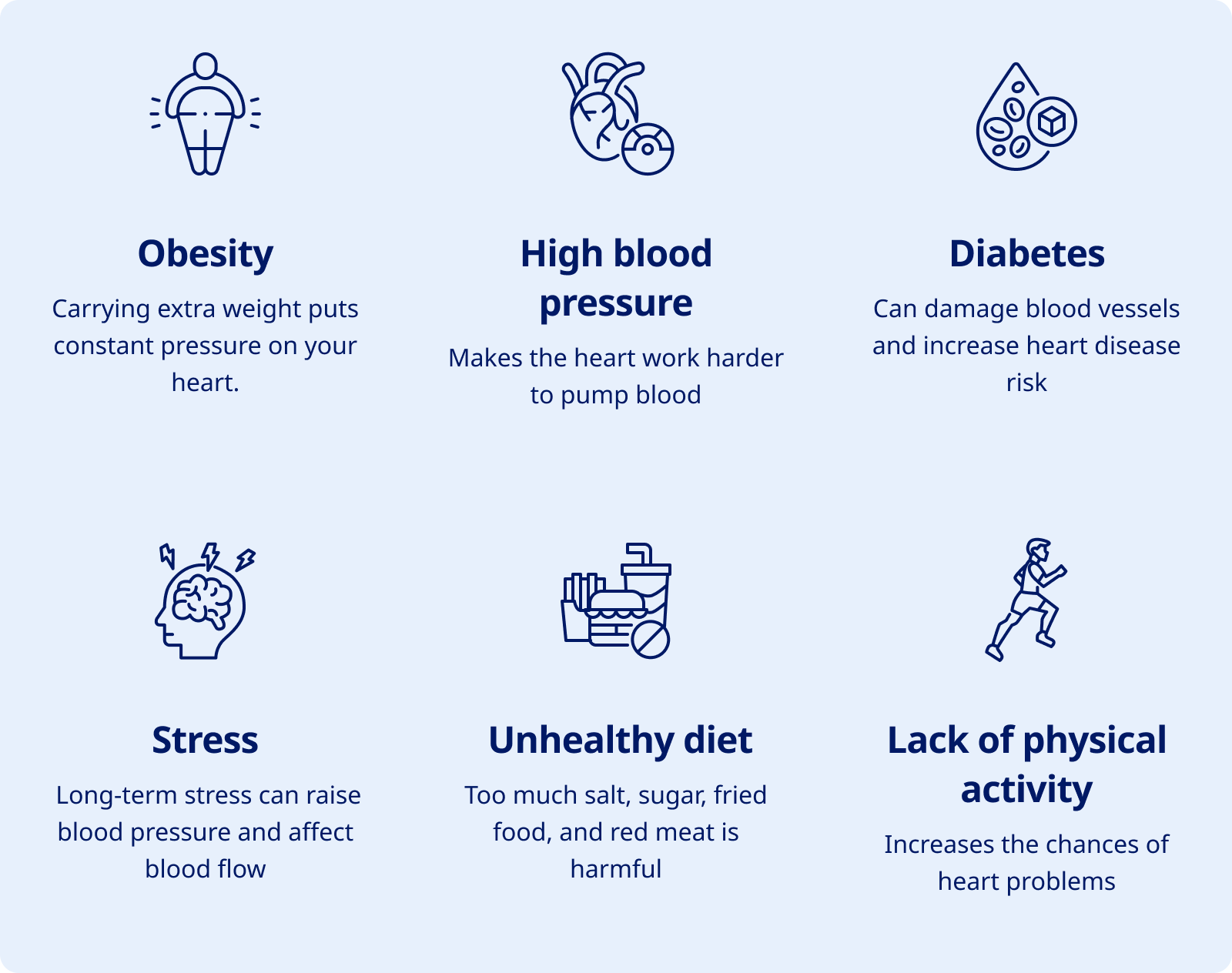
Factors That Put Extra Strain on the Heart
Several factors can strain the heart and weaken its function. These include:
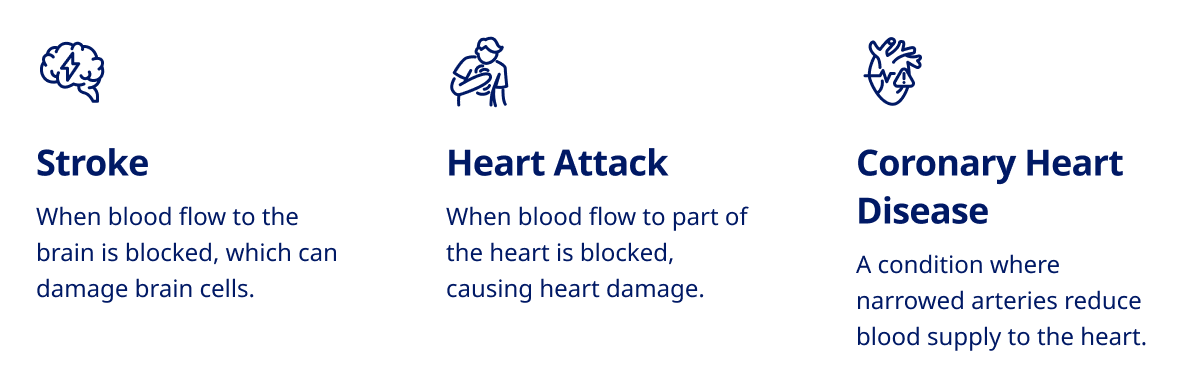
Excess weight can affect your heart health
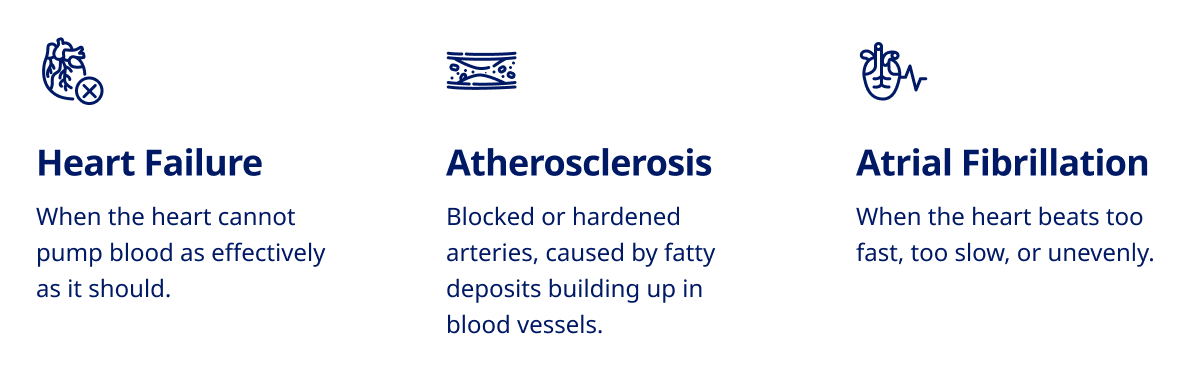
Living with excess weight can increase the risk of heart‑related conditions. Over time, this may affect how well the heart and blood vessels work. Some common heart‑related problems linked to excess weight include:
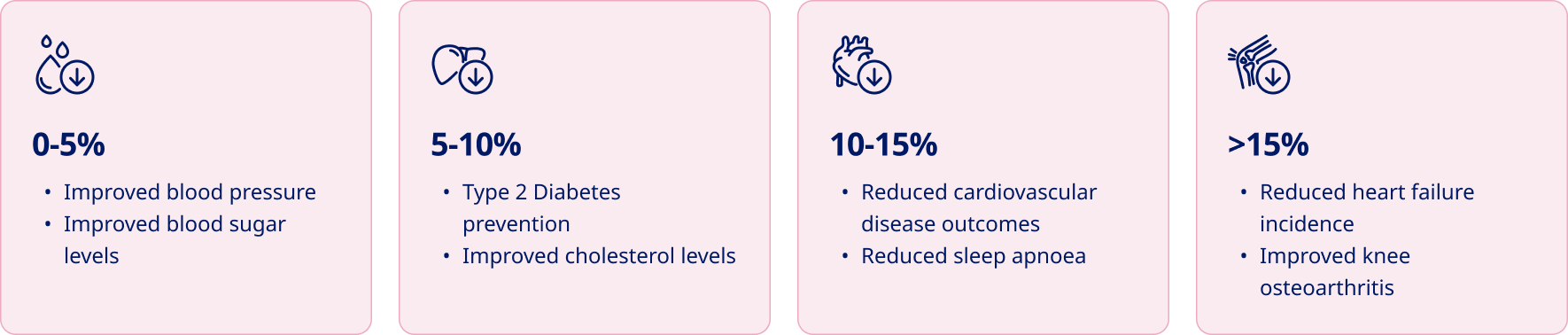
Know the difference weight loss can
make to your heart
Losing weight can help reduce the risk of heart‑related problems by improving blood pressure, cholesterol, and blood sugar. Studies show that even small amounts of weight loss can bring health benefits and greater weight loss may lead to even bigger improvements.
Understanding these risks helps you take steps early to protect your heart, with the right care and support.
References
- Akil L, Ahmad HA. Relationships between obesity and cardiovascular diseases in four southern states and Colorado. J Health Care Poor Underserved. 2011;22(4 Suppl):61-72. doi: 10.1353/hpu.2011.0166. PMID: 22102306; PMCID: PMC3250069.
- Banerjee S, et al. Plos one. 2021 Dec 15;16(12):e0260148
- GBD 2015 Obesity Collaborators et al. N Engl J Med 2017;377:13-27
- World Economic Forum, The Global Economic Burden of Non-communicable Diseases, Harvard School of Public Health, 2011
- Wharton S et al. CMAJ. 2020 Aug 4;192(31):E875-E891.
- Deshpande NR et al. J Assoc Physicians India. 2023 Oct;71(10):69-77.
- SV Metal. Indian J Endocrinol Metab. 2022 Jul-Aug;26(4):295-318.
- GBD 2015 Obesity Collaborators. N Med. 2017;377:13-27
- Garvey WT, et al. Endocr Pract. 2016;22(3):1-203.
- The Look AHEAD Research Group. Lancet Diabetes Endocrinol. 2016;4:913-921.
- Lean et al. Lancet. 2018;391:541-551.
- Benraoune F, et al. Curr Opin Cardiol. 2011;26(6):555-561.
- Sundstrom J, et al. Circulation. 2017;135:1577-1585.
- Ryan DH, et al. Curr Obes Rep. 2017;6(2):187-194.
- Koskinas KC, et al. Eur Heart J.2024;45(38):4063-4098.
- American Heart Association. (2021). More belly weight increases danger of heart disease even if BMI does not indicate obesity. Circulation. [newsroom.heart.org]
- Harvard Health Publishing. (2018). Belly fat linked with higher heart disease risk. Harvard Women's Health Watch. [health.harvard.edu]
- American College of Cardiology (Cardio Smart). (2017). Belly fat increases risk for high blood pressure. [cardiosmart.org]
- Khawaja, T., Nied, M., Wilgor, A., & Neeland, I. J. (2024). Impact of visceral and hepatic fat on cardiometabolic health. Current Cardiology Reports, 26, 1297-1307.